







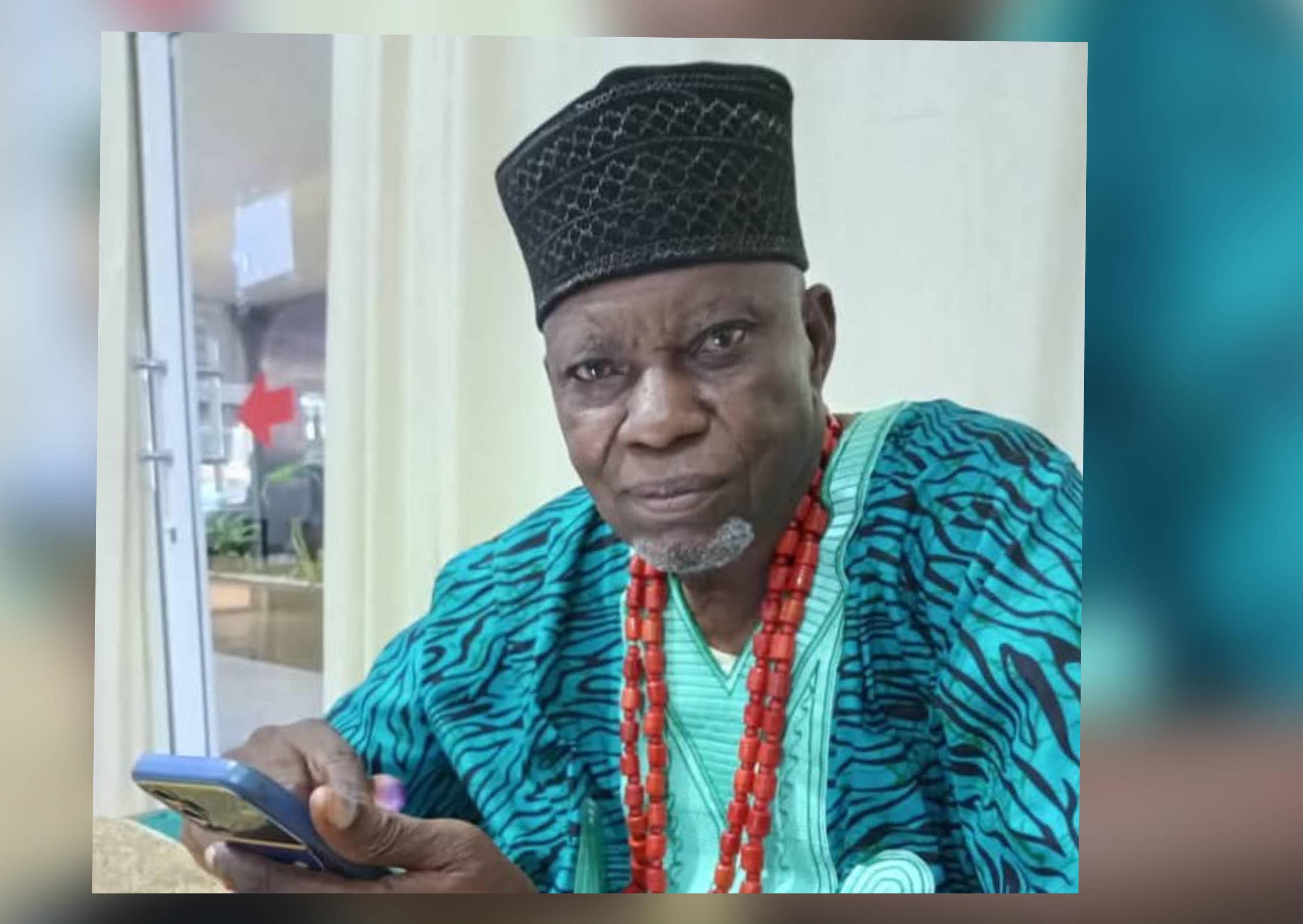
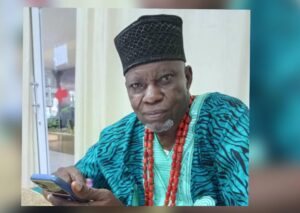
Quality leadership is measured not by the volume of titles a man holds, but by the depth of impact he leaves on people, institutions, and community values. In Kogi West Senatorial District, that measure finds expression in the life and service of Chief Richard Asaje, an elder statesman whose leadership style blends tradition, humility, and pragmatic development.
*1. Rooted in Service, Not Power
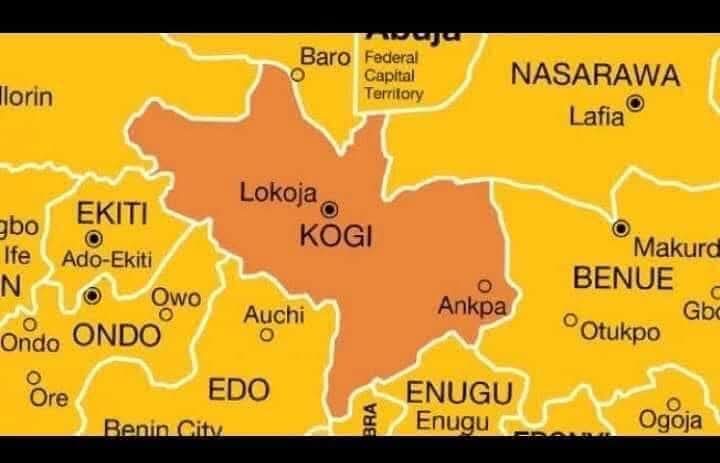
Chief Asaje’s leadership is anchored in the Okun cultural ethos of “service before self”. Unlike transactional politics that rises and fades with elections, his influence predates political appointments. He is regarded in Okunland as a stabilizer, the man elders call on when communities are divided and youths seek direction. His approach has always been to listen first, mediate without bias, and speak last, a trait that has earned him trust across political, religious, and ethnic lines in Yagba, Mopamuro, Kabba-Bunu, Lokoja, Ijumu, and Kogi LGAs.
*2. Bridge Between Tradition and Modernity
As a respected traditional title holder, Chief Asaje occupies a unique space where he translates the expectations of the palace to the language of government and vice versa. He has consistently used that position to advocate for the preservation of Okun culture while pushing for education, youth empowerment, and infrastructure. In several town hall meetings across Kogi West, he has been the voice that reminds both political office holders and the people that development must respect identity.
*3. Quiet Investment in Human Capital
The hallmark of his quality leadership is his investment in people rather than structures. Over the years, Chief Asaje has quietly sponsored indigent students through secondary and tertiary education, facilitated job placements, and supported small-scale traders and farmers with seed capital. He does this without fanfare or media coverage, a deliberate choice that reflects his belief that leadership should be about lifting others, not self-promotion. Many professionals in Kogi West today, from teachers to engineers to civil servants, trace their first opportunity back to his intervention.
*4. Peacebuilding and Political Stability
Kogi West has had its share of political tensions and inter-communal disputes. Chief Asaje’s role as a neutral elder has been critical in de-escalating conflicts and fostering dialogue. During election cycles, he is often called upon by both ruling and opposition camps to appeal for peace and fair play. His consistent message is simple: “Political differences should not destroy kinship”. That message has helped maintain relative calm in a district often seen as a political swing zone in Kogi State.
*5. Advocacy for Collective Progress
While he is non-partisan in public posture, Chief Asaje has been a consistent advocate for the collective interests of Kogi West. Whether it is pushing for better roads linking Kabba to Lokoja, improved healthcare facilities in rural Yagba communities, or equitable representation at the state level, his advocacy is issue-based. He brings together stakeholders, articulates community needs, and follows through without seeking personal credit.
*6. Leadership by Example
What distinguishes Chief Asaje is his personal discipline and integrity. In a political environment where elder statesmen are often accused of godfatherism, he has maintained a reputation for transparency and accountability. He mentors younger leaders on the value of honesty, encourages them to earn legitimacy through work rather than patronage, and holds them accountable when they deviate.
The Legacy
The narrative of Chief Richard Asaje in Kogi West is not one of loud declarations or grandiose projects. It is the quieter, enduring narrative of an elder who builds bridges, nurtures people, preserves culture, and keeps the peace. In a time when leadership is often equated with power and noise, he represents the older, more enduring model: leadership as stewardship.
For Kogi West, he is more than an elder statesman. He is the institutional memory of the district, the moral compass when politics clouds judgment, and the living example that true influence does not require a microphone.
PRINCE HAMZA BOLA SANUSI
(CHAIRMAN, ODODO KOGI WEST YOUTHS MOVEMENT ~ OKWYM)