








By Simon Atuluku Opaluwa
There is a recurring feature of Nigerian politics: history is often remembered selectively. Political actors cite the past when it strengthens their arguments and forget it when it becomes inconvenient.
Kogi State’s emerging 2027 governorship debate deserves a more complete reading of its political history.
Consider 2015.
Then-Governor Idris Wada was seeking a second term on the PDP platform. He was not the only politician interested in the party’s governorship ticket. Jibrin Isah Echocho and Moses Amoto were also reported to be in the contest.
https://theintelligence.com.ng/kogi-west-2027-ododo-second-term-equity/
Wada eventually emerged from the PDP primary.
That episode established an important political precedent: an incumbent could face an internal challenge.

Today, the political landscape is different. Ahmed Usman Ododo is governor of Kogi State, having won the 2023 governorship election on the APC platform. His emergence as the APC candidate followed a direct primary in April 2023.
The 2027 debate has consequently begun to revolve around continuity, succession, zoning and political rotation.
Kogi West’s position is that the district should be considered for the governorship. Supporters of that position point to what they describe as a long period without producing a governor and argue that political equity should be part of the state’s conversation.
That demand is political, not constitutional. Nigeria’s Constitution does not assign the Kogi governorship to a particular senatorial district. The practical question is whether political parties and voters will embrace or reject the argument for rotation.
That is precisely why the political space should remain open.
A candidate cannot be prevented from aspiring merely because another candidate is already occupying the office or because supporters of the incumbent prefer continuity.
At the same time, an aspiration does not automatically create an entitlement to a party ticket or electoral victory.
Every aspirant must still build a political coalition, satisfy nomination requirements, present a credible programme and ultimately seek the support of voters.
This is where the 2027 debate can become more productive.
Instead of reducing the contest to Central versus West, or incumbent versus challenger, Kogi can have a substantive conversation about what kind of government the state needs.
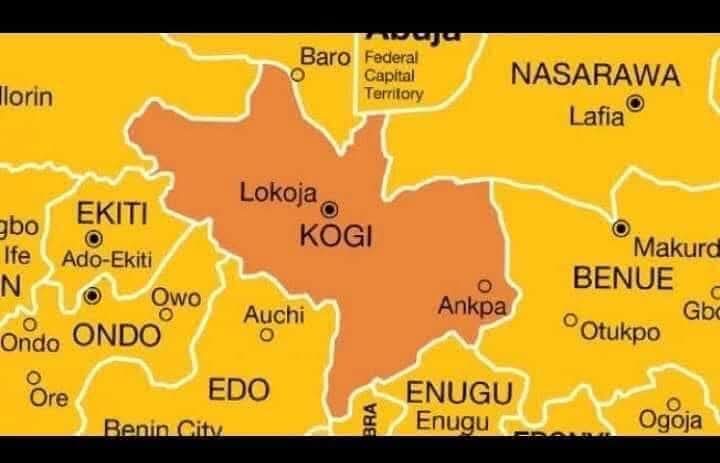
What should be the next priorities for Lokoja and the 20 other local government areas?
How can agriculture create more jobs?
What reforms can improve education and healthcare?
How can insecurity be addressed?
How should the state’s natural and human resources be used to expand economic opportunities?
These questions matter regardless of where a candidate comes from.
The writer argues that Kogi West has the people, talent and capacity to offer an alternative political direction. That is an argument for voters to consider, just as supporters of the incumbent administration are entitled to present their own case.
The democratic test should be persuasion rather than intimidation.
The political test should be organisation and credibility.
And the electoral test should ultimately be the decision of voters.
History does not dictate the result of an election. But it can remind political actors that today’s political assumptions can change quickly.
https://punchng.com/suspected-bandit-arrested-with-stolen-goat-in-sokoto/
The Wada-Echocho contest of 2015 remains one such reminder.
As Kogi approaches 2027, the state has an opportunity to demonstrate that political competition and peaceful disagreement can coexist.
The question is not whether Kogi should have political ambition.
It is whether every legitimate ambition can receive a fair hearing.

One thought on “From Wada to Ododo: Kogi West and the 2027 Question”