







By Isa Sanusi, Lokoja
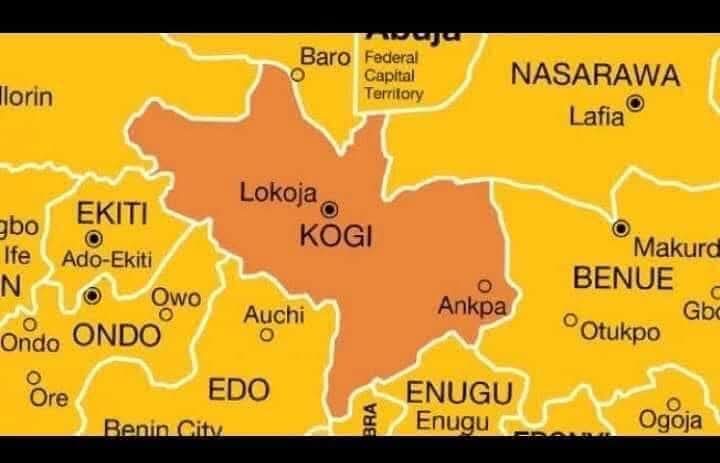
As political activities gradually intensify ahead of the 2027 governorship election in Kogi State, the question of zoning, equity and political succession is beginning to generate debate across the state.
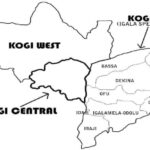
At the centre of the argument is Kogi West’s demand to be considered for the governorship after decades without producing an elected governor.
Some voices have argued that the district should wait until 2031 and support Governor Ahmed Usman Ododo for a second term.
But there is another side to the argument.
Democracy Allows Competing Aspirations
Governor Ododo has the right to seek re-election.
At the same time, Kogi West politicians and stakeholders have the right to express their desire to produce the next governor.
These two positions are not necessarily mutually exclusive.
The electorate will ultimately determine the direction of the election through the electoral process.
Consequently, disagreement over succession should not automatically be interpreted as an attempt to destabilise the state.
The Case For Kogi West
Kogi State was created in 1991.
Since then, Kogi West has not produced an elected governor.
The district comprises seven local government areas and represents a substantial political constituency within the state.
For advocates of zoning and equity, the absence of an elected governor from the zone over several decades provides a basis for renewed discussion about political rotation.
Whether voters ultimately agree with that argument is a separate question to be determined through democratic participation.
Governance Must Remain Central
Political debates should also be connected to governance outcomes.
Supporters of the present administration have highlighted its record in several areas, while critics have raised concerns about infrastructure, basic services, public spending and the management of state resources.
The appropriate response to competing claims is evidence.
Citizens should ask what has been achieved, what remains unfinished and what each political aspirant proposes to do differently.
That approach would make the 2027 election a contest over ideas and records rather than merely a contest over political loyalty.
No One Owns The People’s Voice
Another important consideration is the diversity within Kogi West.
The seven local government areas—Lokoja, Kogi, Kabba-Bunu, Ijumu, Mopamuro, Yagba East and Yagba West—have different political actors and communities.
Therefore, an individual’s endorsement should not automatically be presented as the collective decision of the entire district.
Political legitimacy requires broader consultation.
Let The People Decide
The 2027 governorship contest should be allowed to develop through open political engagement.
Governor Ododo can defend his record and seek another mandate.
Kogi West can present its case for the governorship.
Other aspirants can also present their qualifications and programmes.
At the end of the process, voters should be allowed to decide based on the issues that matter to them.
The central question should therefore be straightforward: which political arrangement best reflects the aspirations of Kogi citizens, and how can equity, development and unity be pursued together?
Kogi is one state. Its political future, however, should remain open to every legitimate democratic aspiration.



One thought on “Kogi West 2027: Ododo Can Seek Second Term, But So Can The Zone”