

Leadership You Can Measure: Why Nasarawa’s Future May Depend on Proven Performance, Not Empty Promises
By: Sam Israel JP
As the political atmosphere ahead of the 2027 general elections gradually gathers momentum, one message is beginning to resonate across communities in Nasarawa State: leadership should no longer be judged by lofty promises, but by verifiable performance.
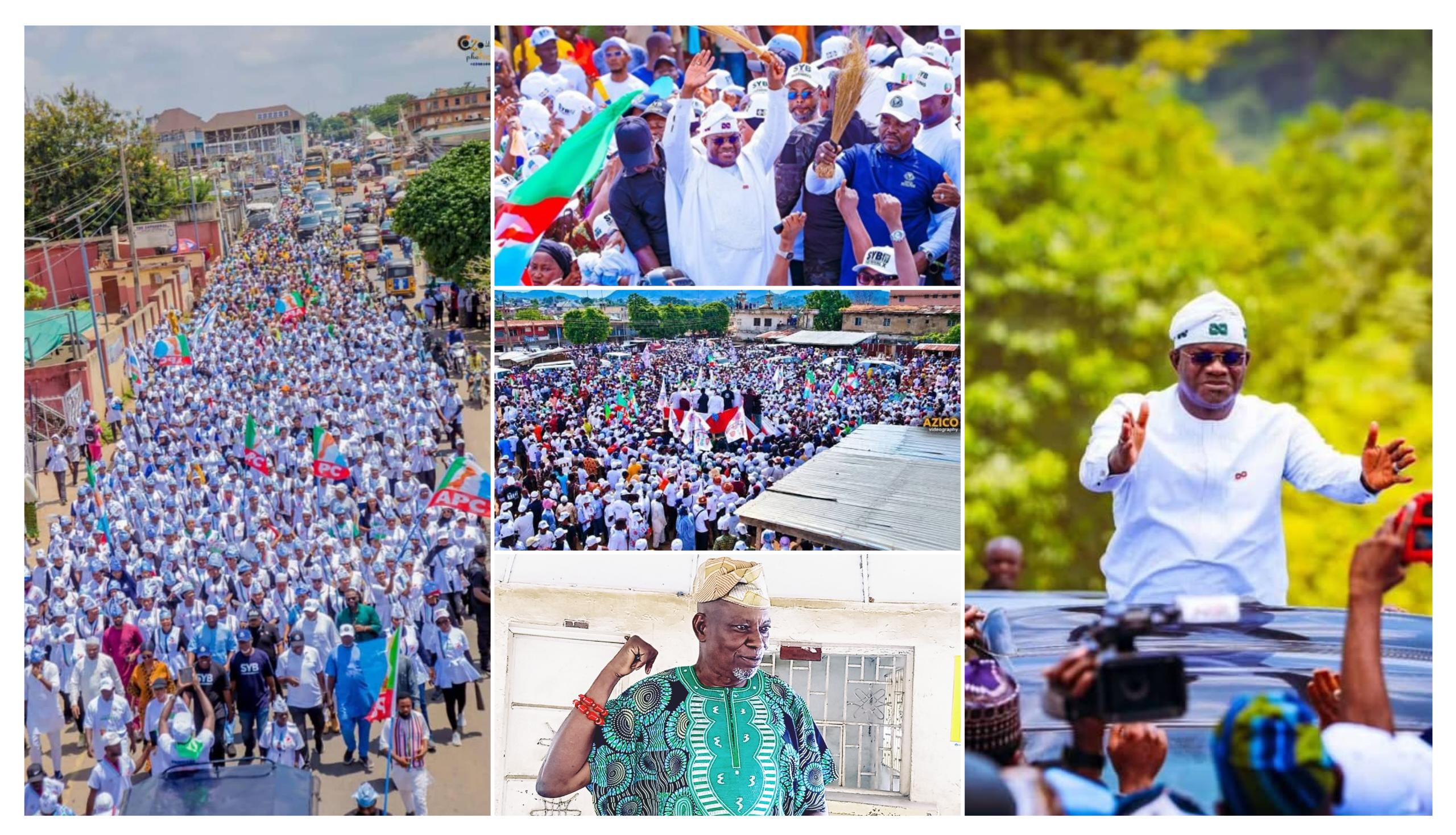
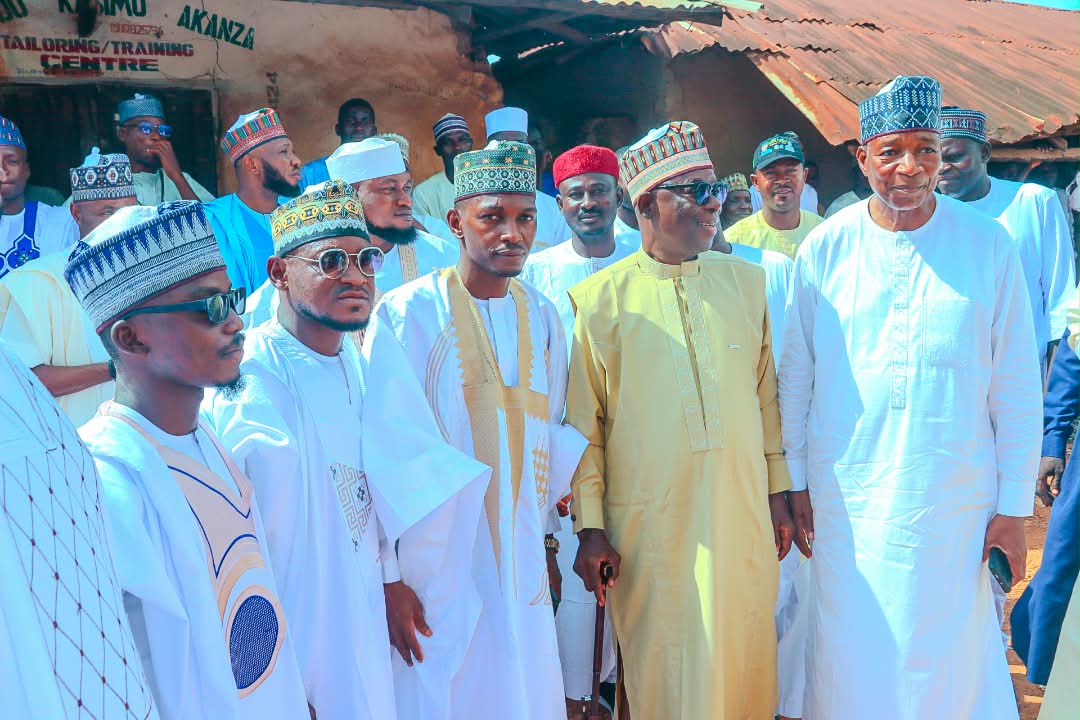
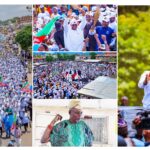
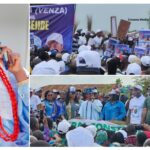
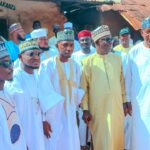
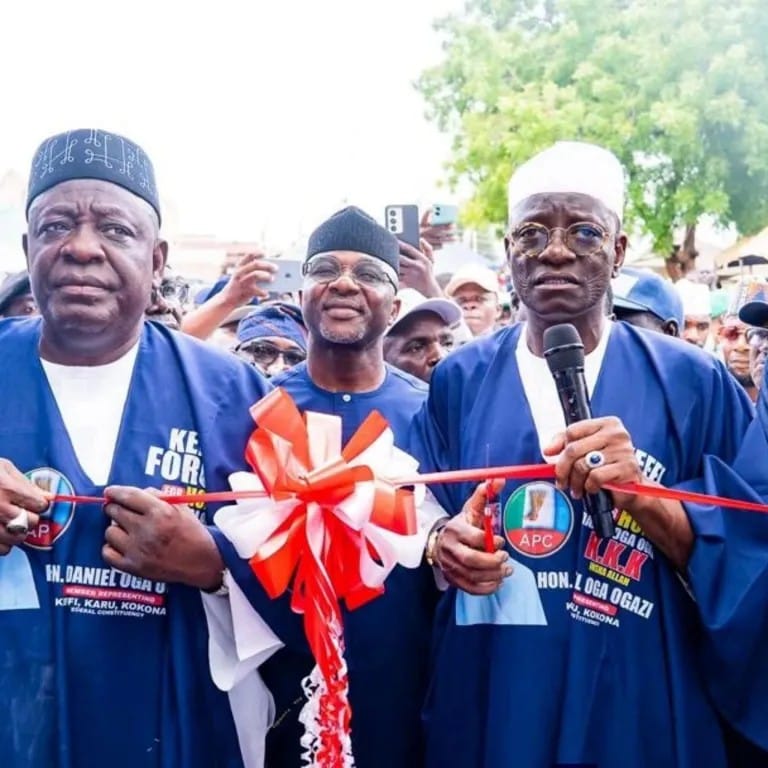
That message was powerfully reinforced in Keffi when Senator Ahmed Wadada Aliyu, the APC governorship candidate in company of the State APC Chairman, Dr. Aliyu Bello and other notable top politicians commissioned campaign office dedicated to the re-election of President Bola Ahmed Tinubu, his own governorship campaign, the senatorial aspiration of Dr. Faisal, and the House of Representatives bid of Rt. Hon. Daniel Ogazi. The occasion was more than a political gathering; it presented an opportunity to define the kind of leadership that should shape the future of Nasarawa State.
Senator Wadada’s appeal to the electorate was both simple and profound: Nigerians, and indeed the people of Nasarawa State, should support only candidates whose records already demonstrate their capacity to deliver. In a political environment where campaign promises are often abundant but performance is scarce, his position reflects a growing public desire for accountability.
Perhaps the most striking aspect of his message was not merely what he promised to do, but the confidence with which he challenged voters to examine his past. By declaring that he has delivered in previous public offices, continues to provide tangible dividends of democracy today, and is prepared to accomplish even greater feats as governor, Senator Wadada placed his political future squarely before the court of public opinion.
Such confidence rarely emerges without substance. Throughout his years in public service, his political career has increasingly been associated with infrastructural interventions, educational support, humanitarian programmes, empowerment initiatives and legislative representation that have earned him admiration across political, religious and ethnic divides. Whether one agrees with every political position he has taken or not, few would dispute that his public service has remained visible.
The commissioning of campaign offices itself symbolized far more than opening buildings. It reflected a growing movement anchored on organisation, grassroots mobilisation and the strengthening of democratic participation. Politics succeeds not merely through speeches but through structures that connect leaders directly with the people they seek to serve.
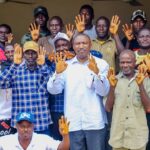
Equally commendable was the women empowerment programme facilitated by Rt. Hon. Daniel Ogazi, where 550 women from the ten electoral wards of Keffi Local Government Area received financial support to either establish or expand small businesses. This initiative demonstrates that genuine politics is not confined to election seasons; it is measured by continuous investments in people.
Empowering women remains one of the most effective strategies for stimulating economic growth, strengthening families and reducing poverty. By providing direct financial assistance to hundreds of women, Ogazi demonstrated that leadership is ultimately about creating opportunities rather than distributing rhetoric.
His legislative vision also deserves attention. His declaration that he would neither become a “rubber-stamp” legislator nor a passive occupant of the National Assembly speaks to an increasing demand for representatives who are prepared to defend the interests of their constituents with courage, independence and intellectual capacity.
Representative democracy flourishes when lawmakers understand that their first loyalty belongs to the people. Ogazi’s commitment to sponsoring impactful legislation aimed at economic growth, improved public services and better living conditions reflects the qualities many Nigerians increasingly expect from elected officials.
Beyond the individual aspirations of Senator Wadada and Rt. Hon. Daniel Ogazi lies an important lesson for voters. Democracy functions best when citizens carefully evaluate the records, competence, integrity and accessibility of those seeking public office. Elections should never become contests of slogans alone; they should become assessments of character, experience and measurable service.
The partnership displayed in Keffi between established leadership and emerging representation also illustrates the importance of teamwork in governance. Sustainable development cannot be achieved by one individual. It requires leaders at every level who share a common vision of inclusive growth, accountability and service.
As Nasarawa State approaches another defining electoral season, the conversations taking place across communities will increasingly revolve around credibility. The electorate appears more informed than ever before, and expectations are considerably higher. Citizens are looking beyond campaign posters and carefully examining evidence of performance.
Ultimately, Senator Ahmed Wadada Aliyu’s challenge to voters—to support candidates whose records can withstand public scrutiny—may become one of the defining messages of the 2027 elections. It is an invitation to replace sentiment with evidence, speculation with experience and promises with proven capacity.
If politics is truly about improving lives, then leadership must always be measured not by the volume of campaign speeches but by the depth of public impact. That is the standard Senator Wadada has invited the people to apply—not only to his opponents, but also to himself.
For Nasarawa State, that may well be the conversation that shapes the future.
Sam Israel is the Senior Special Assistant SSA on media to Senator Ahmed Wadada Aliyu.