



By Abubakar Yusuf
For more than seven years, the administration of Governor Seyi Makinde in Oyo State has placed road infrastructure at the centre of its development agenda, with projects spanning major urban corridors, inter-zonal highways and rural roads.
From Ibadan, the state capital, to communities across Oyo’s 33 local government areas, the administration has pursued the rehabilitation, reconstruction and construction of roads as part of its broader strategy for improving connectivity, facilitating movement and opening up economic opportunities.
Official Oyo State project records indicate that about 700 kilometres of roads had been under rehabilitation or construction between 2019 and July 2025. The projects include the 65-kilometre Moniya-Ijaiye-Iseyin Road, 76.7-kilometre Iseyin-Fapote-Ogbomoso Road, 48-kilometre Ido-Eruwa Road and sections of the 110-kilometre Rashidi Ladoja Circular Road in Ibadan.
Makinde’s Road Infrastructure Template
The administration inherited a substantial infrastructure deficit and made road development one of the areas of emphasis in its development plans.
Rather than concentrating road projects exclusively in Ibadan, the government also pursued inter-zonal connections designed to link communities and facilitate the movement of agricultural produce, people and businesses.
The 65-kilometre Moniya-Ijaiye-Iseyin Road, commissioned in 2021, became one of the administration’s prominent road projects. Governor Makinde described the project as part of efforts to integrate different parts of Oyo State and create conditions for broader economic development.
The administration subsequently completed the 34.85-kilometre Oyo-Iseyin Road and the 76.67-kilometre Iseyin-Fapote-Ogbomoso Road, creating a direct connection between Oke-Ogun and Ogbomoso zones.
Ibadan and the Circular Road
In Ibadan, the administration has also pursued major road projects aimed at improving connectivity within the expanding metropolis.
The 110-kilometre Rashidi Ladoja Circular Road is among the major projects being developed around the city. According to the Oyo State project status published in 2025, construction was ongoing on the South-East and North-East sections of the circular road.
Other urban projects include the dualisation of the Challenge-Odo Ona Elewe-Elebu-Apata corridor, now known as Theophilus Akinyele Way, as well as the Agodi Gate-Old Ife Road-Adegbayi corridor, including an underpass around the Onipepeye area. Makinde stated in a state-of-the-state address that 152.92 kilometres of road projects were completed during the first year of the second phase of his administration.
These projects have formed part of the government’s attempt to address traffic movement and improve access within Ibadan’s expanding metropolitan area.
Opening Up Rural Communities
Beyond the state capital, the administration’s road programme has also focused on connecting rural communities and agricultural production areas with urban centres.
The rationale is straightforward: roads are not only transportation infrastructure but also important links between farmers, markets, processing centres and consumers.
The Iseyin-Fapote-Ogbomoso corridor, for instance, was conceived as a direct connection between the Oke-Ogun and Ogbomoso zones. The administration has also linked its road development programme to the expansion of agricultural and industrial activities in the state.
Makinde has similarly highlighted the connection between road infrastructure and private-sector investment, citing the role of improved road access in supporting businesses around the Fasola Agribusiness Industrial Hub.
Roads, Agriculture and Economic Activity
For a state with significant agricultural potential, road connectivity remains important to the movement of farm produce and other goods.
The administration’s infrastructure approach has therefore included roads connecting farming communities with major towns and economic centres.
Among the projects listed by the Oyo State Government are the rehabilitation of the Saki-Ogbooro-Igboho Road, the reconstruction of the Ido-Eruwa Road and other road corridors linking different parts of the state.
The broader objective, as articulated by the Makinde administration, is to ensure that development is not concentrated in Ibadan but extends to other zones of Oyo State.
From Oyo Roads to the 2027 National Campaign
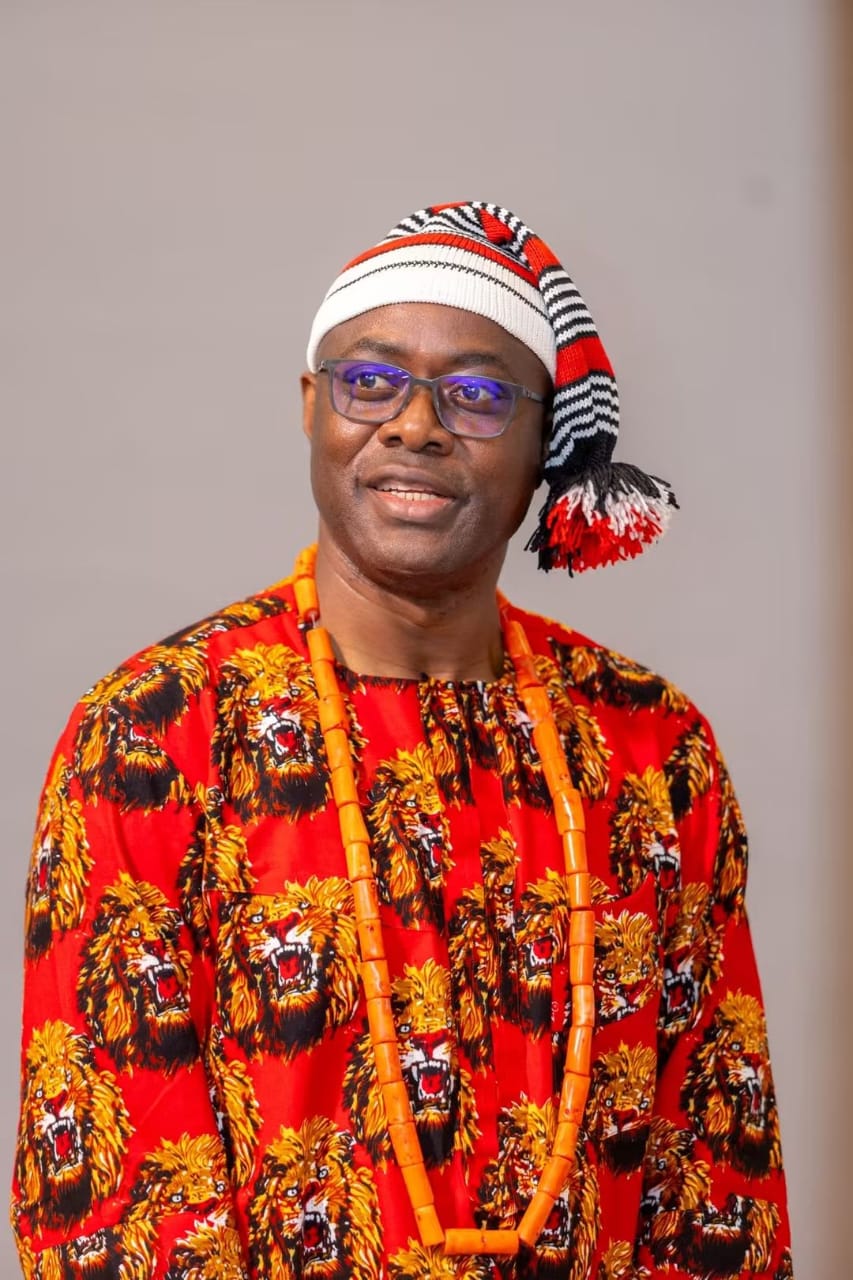
Governor Seyi Makinde is now the presidential candidate of the Allied Peoples Movement (APM) for the 2027 election. His campaign has adopted the “Reset Nigeria” message, presenting his experience in Oyo State as part of the case for his national political platform.
The official campaign platform identifies Makinde as its presidential candidate and describes the campaign as a programme built around service, opportunity and national development.
For supporters of Makinde’s presidential bid, the road projects implemented during his tenure in Oyo provide part of the record they cite when discussing his experience in infrastructure delivery.
Whether the approach can be replicated at the federal level would ultimately depend on national resources, institutional arrangements, project financing and the policy choices of any incoming administration.
https://punchng.com/marafa-vows-to-end-zamfara-banditry-in-first-tenure-or-resign
For now, however, the road infrastructure programme remains one of the most visible components of Makinde’s governance record in Oyo State, spanning Ibadan’s metropolitan corridors, inter-zonal highways and rural connections.
Written by Abubakar Yusuf, NPS, APM.

2 thoughts on “Makinde’s Trajectory in Roads: How Oyo’s Infrastructure Drive Has Reshaped the State”