



DSS Operative in Dock Over Karmajiji Double Killing: Amnesty Demands Probe
The Department of State Services (DSS) has been thrown into the spotlight following the alleged extrajudicial execution of two innocent residents by one of its operatives, Ajayi Abayomi, in the Karmajiji community of the Federal Capital Territory (FCT), Abuja.
The shocking incident, which unfolded on January 19, 2026, has ignited widespread condemnation, painting a grim picture of reckless firearm use and brazen abuse of power by personnel entrusted with national security.
DSS versus Utomi: Shadow Government Contention
Eyewitnesses in the densely populated Karmajiji area, a hotspot for low-income traders and families, recounted how Abayomi, reportedly acting without provocation, opened fire on the victims during what locals described as a minor altercation.
This needless tragedy underscores a disturbing pattern of impunity within security ranks, where lives are snuffed out with chilling disregard for the rule of law, leaving families shattered and communities gripped by fear.
As calls mount for swift justice, the DSS faces mounting pressure to launch a transparent investigation, with rights groups warning that failure to act could erode public trust in the agency to catastrophic levels.
The first victim, Musa Adamu, a hardworking breadwinner in his mid-30s known for his quiet demeanor and role as a community mediator, succumbed just hours after the shooting.
Neighbors in Karmajiji, speaking to our correspondent under anonymity for fear of reprisal, painted a vivid picture of the chaos that ensued: Adamu, who was said to have been intervening in a neighborhood dispute, was gunned down in broad daylight, his blood staining the dusty streets as bystanders scampered for cover.
Medical reports from a nearby clinic confirmed that Adamu bled profusely from multiple gunshot wounds to the chest and abdomen, with no chance of survival despite frantic efforts by good Samaritans to rush him to help.
His death not only robbed his wife and four young children of their provider but also symbolized the vulnerability of ordinary Nigerians to the whims of armed agents who wield state power like personal weapons.
This heartbreaking loss has fueled protests in the area, with placards reading “No More DSS Killings” dotting the skyline, as residents demand an end to such wanton violence.
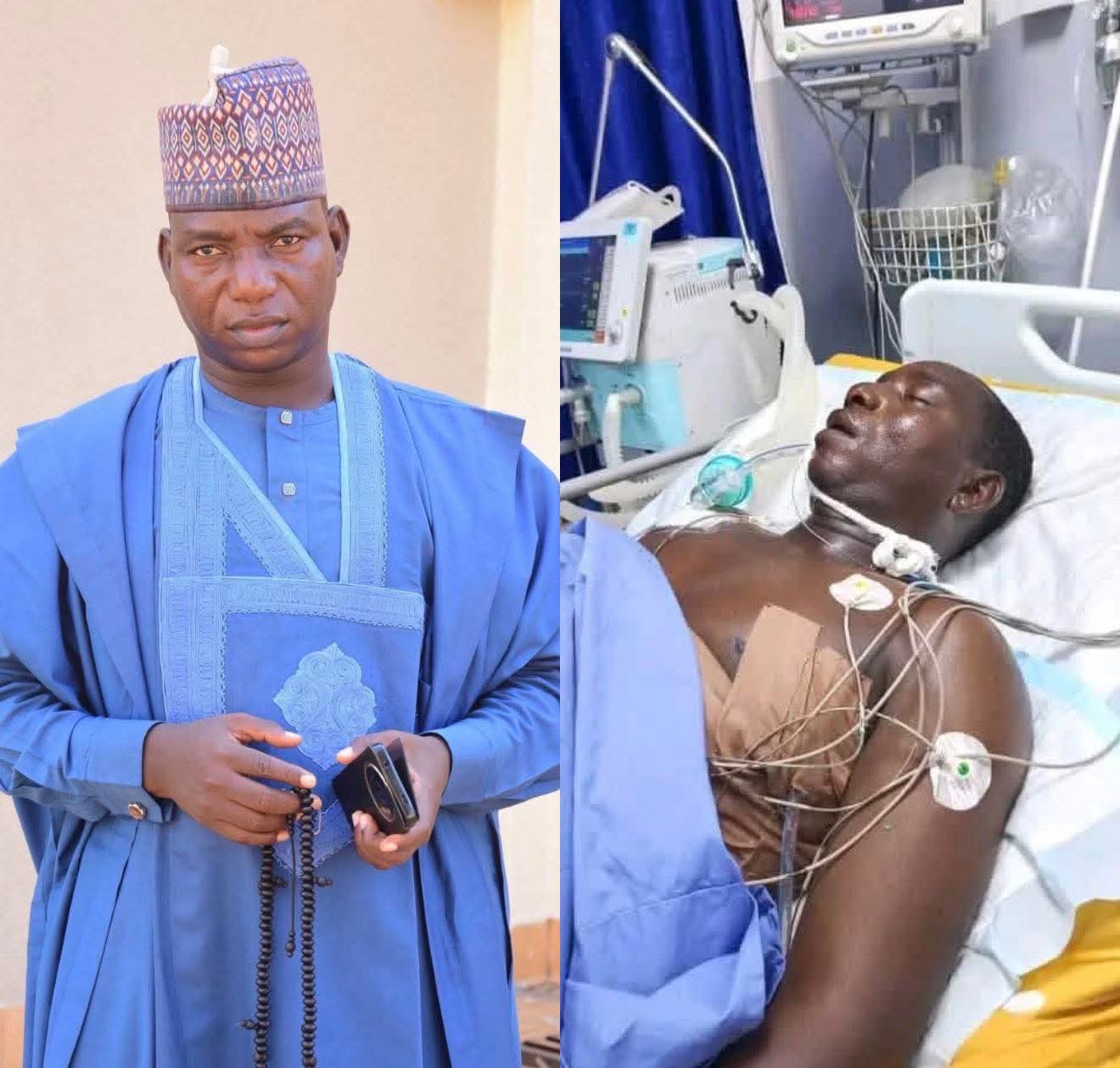
Compounding the horror, the second victim, Mallam Suleiman Salisu, a respected Islamic scholar and trader in his late 40s, clung to life for nine agonizing days before breathing his last on Wednesday,
January 28, at the Federal Medical Centre (FMC) in Abuja. Admitted in critical condition with severe wounds from the same DSS onslaught, Salisu underwent emergency surgery but succumbed to complications from internal bleeding and infection, according to a preliminary autopsy report obtained by our newsroom. Mallam Salisu, fondly called “Alhaji Teacher” by locals for his evening Quranic classes for children, was reportedly shot while pleading for calm during the melee involving Adamu.
His passing has triggered an outpouring of grief at FMC, where family members wailed openly, accusing the DSS of deliberate delay in providing medical aid post-incident. Sources close to the investigation reveal that Salisu’s wife has vowed to pursue justice through the courts, vowing that her husband’s blood will not water the seeds of corruption within the security apparatus.
Amnesty International has waded into the fray, issuing a scathing statement that demands the DSS immediately probe the “horrifying incident” and haul suspect Ajayi Abayomi before the courts for a fair trial.
The global rights watchdog described the Karmajiji killings as a “gross violation of human rights” that must not be swept under the carpet, urging President Bola Tinubu’s administration to intervene decisively. “This is yet another indication of reckless and unlawful use of firearms,” Amnesty’s Nigeria director stated, emphasizing that such acts perpetuate a toxic climate of fear and erode the social contract between the state and its citizens.
The organization called for the suspension of Abayomi pending investigation, independent oversight of the probe, and compensation for the victims’ families, warning that impunity breeds more atrocities.
With the incident now trending on social media under #JusticeForKarmajiji, Amnesty’s voice amplifies a chorus of outrage from civil society, labor unions, and opposition figures who see this as symptomatic of deeper rot in Nigeria’s security sector.
While security personnel are duty-bound to protect lives and property, a growing number appear to have morphed into instruments of terror, unleashing mayhem on defenseless civilians and fostering an atmosphere of dread across the nation.
In Karmajiji and beyond, tales abound of DSS operatives overstepping bounds, turning routine encounters into death traps and undermining the very trust they are meant to build.
Such incidents leave communities vulnerable to wanton atrocities, with ordinary citizens second-guessing every interaction with uniformed men, fearful that a wrong word could spell doom.
Critics argue that this culture of unbridled power, often shielded by institutional loyalty, not only violates constitutional rights but also hampers national development by diverting focus from real threats like banditry and insurgency. As one grieving relative lamented, “They came to protect us, but now we hide from them”, a sentiment echoing the frustrations of millions in a country weary of state-sponsored violence.
This is not an isolated blot; it eerily mirrors a grisly precedent on September 7, 2023, when another DSS operative gunned down a fashion designer at Garki International Market in Abuja during a petty squabble over delayed sewing.
The operative, enraged that his girlfriend’s tailor had not completed her outfit on time, stormed the market armed with a loaded pistol and unleashed fatal shots, killing the designer on the spot amid screaming shoppers.
That incident, which sparked similar outrage and a perfunctory internal probe, exposed the DSS’s troubling habit of inserting itself into civil disputes, from romantic tiffs to business wrangles, often with lethal consequences.
Eyewitness accounts from Garki detailed how the girlfriend had summoned her armed beau as muscle, highlighting how personal grudges are weaponized under the guise of official duty.
Despite public fury then, no convictions followed, fueling fears that Abayomi’s case could follow the same script of injustice.Amnesty International’s deeper concern lies in the DSS’s overreach, where operatives not only enforce law and order but meddle in civil matters, investigating contractual disputes, business rivalries, and even non-criminal altercations,sometimes resorting to torture of suspects.
This pattern, documented in multiple reports, blurs the line between security enforcement and vigilantism, violating Nigeria’s human rights commitments under the African Charter and UN conventions.
Rights activists point to Karmajiji as exhibit A in a dossier of abuses, calling for legislative reforms to clip the wings of agencies like the DSS and impose civilian oversight.
As the nation grapples with economic hardships and insecurity, such internal threats demand urgent reckoning, lest the protectors become the predators.