



ALIA WILL BE THE 11th PRIEST TO END BADLY AFTER ABANDONING THE CHURCH
By Oliver Omenka
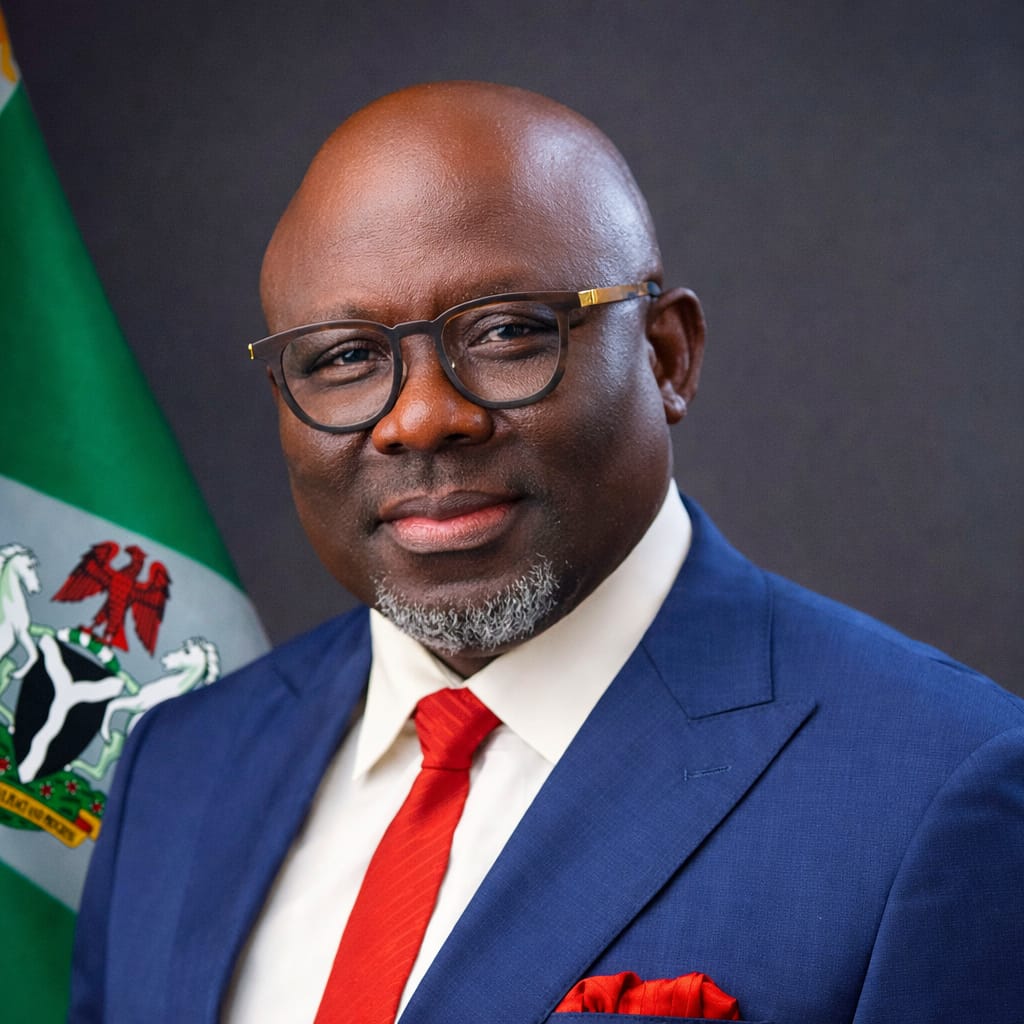
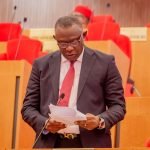
Reverend Fr. Chinaka Mbaeri recently authored a compelling article chronicling 10 Catholic priests who abandoned their sacred calling, the priesthood for partisan politics. He detailed how each of them ended in disgrace. History, it seems, is about to repeat itself. The present Governor of Benue State, Hyacinth Alia is on course to become the 11th priest to fall tragically, having traded the altar for political ambition.
No one cheats God and gets away with it. Governor Alia has brazenly declared war on the very Church that gave him visibility, credibility, and relevance. The same Church that nurtured him has now become his target. He has openly encouraged his followers to unleash violence on critics, disrupt church programmes, and crush dissenting voices. This is not leadership; it is tyranny. Alia is exhibiting unmistakable fingerprints of an anti-Christ posture.
Alia has waged an unprovoked war against the Church. He stunned the world when he casually dismissed the mass killing of Benue people by declaring that there is no genocide in the state. He publicly embraced the Sultan of Sokoto as his “daddy,” while treating the blood of his own people with contempt. Whenever his Fulani allies who reportedly bankrolled his 2023 campaign with ₦7 billion spill Benue blood, Alia rushes to downplay casualty figures and render an entire state vulnerable.
Fraud is not alien to Hyacinth Alia. In the 1990s and early 2000s, he staged fake healing masses, exploiting desperation and extorting money from hundreds of innocent people. He healed no one. His legacy in the priesthood was not service but conflict. Everywhere he was posted, he fought his superiors, sowed division, and left no record of development or spiritual growth.
Emir Sanusi II Receives Kano Campaign Committee on School Enrollment Drive
Alia’s trajectory is clear. He is the 11th priest plunging from grace into the abyss. He has not only abandoned his calling; he has taken up arms against the Church itself. No one confronts God and survives. This ingrate, temporarily squatting in the Benue State Government House, will not be an exception.
Take a look at how Alia’s fellow priest Rev Fr Chinaka Mbaeri chronicled 10 priests who jumped into politics and ended tragically 👇🏽
“10 Catholic Priests Who Chased Political Power and Shamed the Catholic Church
The Church is wise when she teaches that a priest should not enter partisan politics. History itself has already given us enough evidence. Many priests who stepped into political power were first celebrated as saviours/messiahs, reformers, or voices of justice. In the end, most of them left behind confusion, scandal, division, and lasting embarrassment for the Church. Below are ten well-known cases that show why the Church insists that priesthood and political office must never be mixed.
1. Abbé Emmanuel-Joseph Sieyès (France). A Catholic priest who became a central figure in the French Revolution. Once hailed as an intellectual hero, he later supported the execution of the king, helped dismantle Church influence, and eventually became part of Napoleon’s power structure. His political career contributed directly to the violent persecution of the Church in France.
2. Fr. Miguel Hidalgo (Mexico). A priest who led the Mexican War of Independence. Though remembered as a nationalist symbol, his movement involved mass violence, breakdown of order, and anti-clerical consequences that later harmed the Church in Mexico. He was excommunicated, executed, and left a legacy that tied priesthood to bloodshed and rebellion.
3. Fr. José María Morelos (Mexico). Another priest who became a revolutionary leader. Like Hidalgo, he took up arms, entered power struggles, and ended in execution. His political path further deepened the perception of priests as political militants rather than pastors of souls.
4. Fr. Jozef Tiso (Slovakia). A Catholic priest who became President of wartime Slovakia. Once praised as a national leader, his regime collaborated with Nazi Germany and oversaw the deportation of Jews. His name today stands as one of the most tragic examples of a priest disgracing the Church through political authority.
5. Fr. Jean-Bertrand Aristide (Haiti). A priest who rose to power as president after being seen as a champion of the poor. His time in office became marked by violence, corruption, human rights abuses, and authoritarian behaviour. He was eventually removed from office, and his priesthood became inseparable from political scandal.
6. Fr. Camilo Torres Restrepo (Colombia). A priest who abandoned ministry to join a Marxist guerrilla movement. He was killed in combat, and his legacy remains one of radicalization, militarization of faith, and the confusion of Gospel mission with armed ideology.
7. Fr. Florentino Asensio Barroso (Spain). Though not a politician himself, his case reflects how clergy entanglement in political conflict during the Spanish Civil War led to violence, executions, and deep wounds that the Church is still healing from. It remains a warning about mingling Priestly vocation with political forces.
8. Fr. Antônio de Castro Alves (Brazil). A priest who entered political agitation under abolitionist and nationalist causes. While morally motivated, his political involvement blurred ecclesial identity and contributed to growing anticlerical tensions in Brazil during a fragile national period.
9. Fr. Guillaume de Charette (France). A priest involved in royalist military resistance during revolutionary France. Though admired by supporters, his participation in armed political struggle strengthened the image of the clergy as political actors and further justified violent reprisals against the Church.
10. Fr. Ernesto Cardenal (Nicaragua). A priest who became a minister in the Sandinista government. Once celebrated as a voice for the poor, he publicly defied ecclesial discipline, was suspended from priestly ministry, and later became a symbol of how political ideology can overtake obedience and priestly identity.
So, dear friends, history is very clear. Every time a priest trades the altar for the ballot, the Church pays the price. The issue is not whether the cause seems noble or popular. The issue is that the priesthood is not a political vocation. When a priest becomes a party figure, he no longer belongs to all, he becomes a factional voice, an ideological actor, and inevitably a source of division.
This is why the Church insists that a priest must never seek political office or operate within party structures. Not because she fears engagement with society, but because she understands that the Priest’s mission is higher, broader, and meant for every soul, not for one political camp. History has already shown us what happens when that line is crossed.